
كيف تعمل الأنظمة الذكية على تحويل الإنتاج الصناعي العالمي
تشهد الصناعة التحويلية العالمية تحولاً عميقاً مدفوعاً بالرقمنة والأتمتة والتقدم السريع للتكنولوجيات الذكية. وبينما تسعى الشركات جاهدة لتحسين الكفاءة وخفض التكاليف وتلبية طلبات العملاء المتزايدة، أصبح اعتماد حلول التصنيع الذكية أولوية استراتيجية. وفي هذا السياق، تلعب تقنيات اللحام والأتمتة دورًا محوريًا في إعادة تشكيل الإنتاج الصناعي.
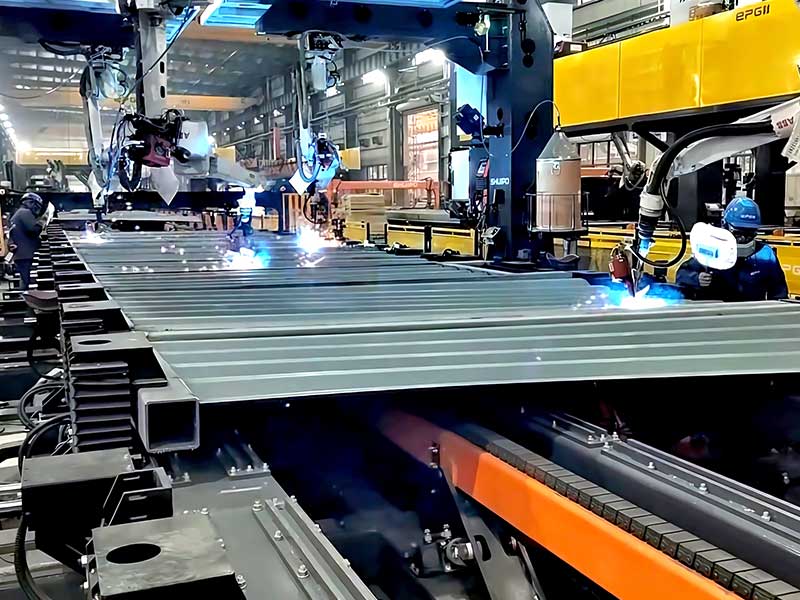
أحد أهم الاتجاهات في التصنيع الحديث هو التحول من العمليات اليدوية إلى الأنظمة الآلية بالكامل. يتم استبدال طرق اللحام التقليدية، التي تعتمد بشكل كبير على العمالة الماهرة، تدريجيًا بأنظمة آلية قادرة على أداء المهام المعقدة بدقة عالية. ولا يعالج هذا التحول نقص العمالة فحسب، بل يحسن أيضًا الاتساق ويقلل من أخطاء الإنتاج.
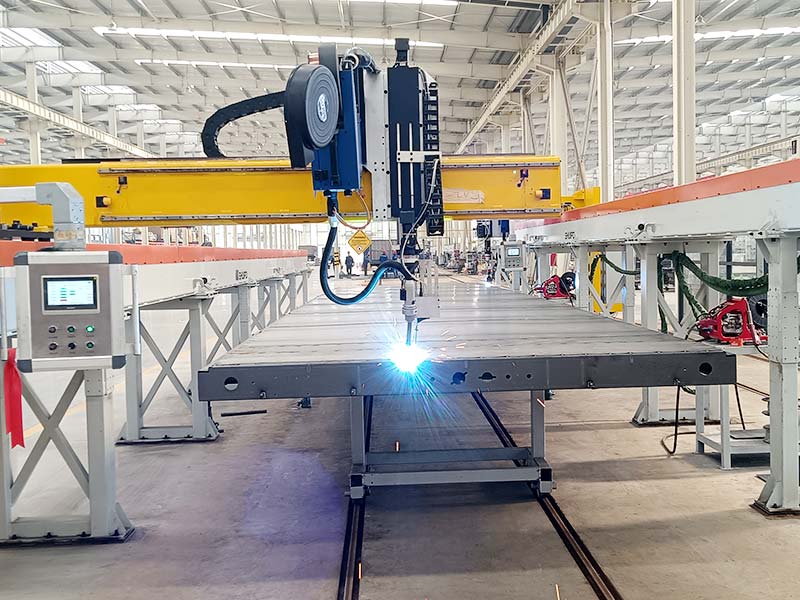
تتجاوز أنظمة التصنيع الذكية الأتمتة البسيطة. ومن خلال دمج التقنيات المتقدمة مثل الذكاء الاصطناعي والرؤية ثلاثية الأبعاد ومنصات الإنترنت الصناعية، تتيح هذه الأنظمة جمع البيانات وتحليلها واتخاذ القرار في الوقت الفعلي. وهذا يسمح للمصنعين بتحسين عمليات الإنتاج، والتنبؤ بأعطال المعدات، وتعزيز الكفاءة التشغيلية الشاملة.
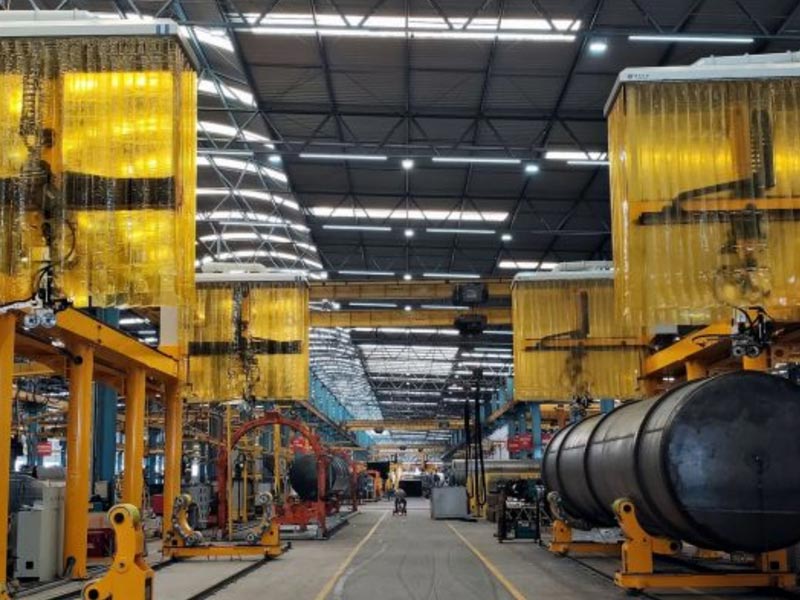
الاتجاه الرئيسي الآخر هو الطلب المتزايد على المرونة. في سوق اليوم، يُطلب من الشركات المصنعة إنتاج مجموعة واسعة من المنتجات على دفعات أصغر. وهذا يتطلب أنظمة إنتاج يمكنها التكيف بسرعة مع المتطلبات المتغيرة. توفر حلول اللحام الذكية، مثل تلك التي طورتها شركة Shuipo Intelligent، المرونة اللازمة للتعامل مع التطبيقات المتنوعة دون توقف كبير.
أصبحت الاستدامة أيضًا عاملاً حاسماً في التصنيع. تتعرض الشركات لضغوط متزايدة لتقليل استهلاك الطاقة وتقليل التأثير البيئي. تساهم تقنيات اللحام المتقدمة في تحقيق هذه الأهداف من خلال تحسين استخدام الطاقة وتقليل هدر المواد وتحسين كفاءة العملية. وهذا لا يفيد البيئة فحسب، بل يساعد الشركات أيضًا على تحقيق وفورات في التكاليف.
وقد أدى ظهور سلاسل التوريد العالمية إلى تسريع الحاجة إلى حلول تصنيع موثوقة وقابلة للتطوير. يجب على الشركات ضمان جودة المنتج المتسقة عبر المواقع ومرافق الإنتاج المختلفة. تتيح الأنظمة الذكية عمليات موحدة ومراقبة مركزية، مما يضمن الحفاظ على معايير الجودة في جميع أنحاء العالم.
بالإضافة إلى ذلك، فإن تكامل تقنية التوأم الرقمي يغير كيفية تصميم أنظمة التصنيع وتنفيذها. ومن خلال إنشاء نماذج افتراضية لخطوط الإنتاج، يمكن للشركات اختبار العمليات وتحسينها قبل النشر المادي. وهذا يقلل من المخاطر، ويختصر الجداول الزمنية للمشروع، ويحسن الكفاءة الإجمالية.
كما أصبحت قدرات التشغيل والصيانة عن بعد ذات أهمية متزايدة. وبمساعدة اتصال 5G والمنصات السحابية، يمكن للمصنعين مراقبة أداء المعدات في الوقت الفعلي، وتشخيص المشكلات عن بعد، وإجراء التحديثات دون تعطيل الإنتاج. وهذا يعزز الموثوقية ويقلل تكاليف التشغيل.
وبالنظر إلى المستقبل، فإن مستقبل اللحام والأتمتة يكمن في التكامل الأعمق للتقنيات الذكية. ومع استمرار تطور الذكاء الاصطناعي وزيادة إمكانية الوصول إلى البيانات، ستصبح أنظمة التصنيع أكثر استقلالية وكفاءة. وستكون الشركات التي تستثمر في هذه التقنيات اليوم أكثر استعدادًا لمواجهة تحديات الغد.
تلتزم Shuipo Intelligent بدعم هذا التحول من خلال توفير حلول مبتكرة تجمع بين التكنولوجيا المتقدمة والتطبيقات الصناعية العملية. ومن خلال مساعدة العملاء على تبني التصنيع الذكي، تهدف الشركة إلى دفع النمو المستدام وخلق قيمة طويلة الأجل في السوق العالمية.