
Технологии нового поколения позволяют осуществлять точную сварку сложных конструкций
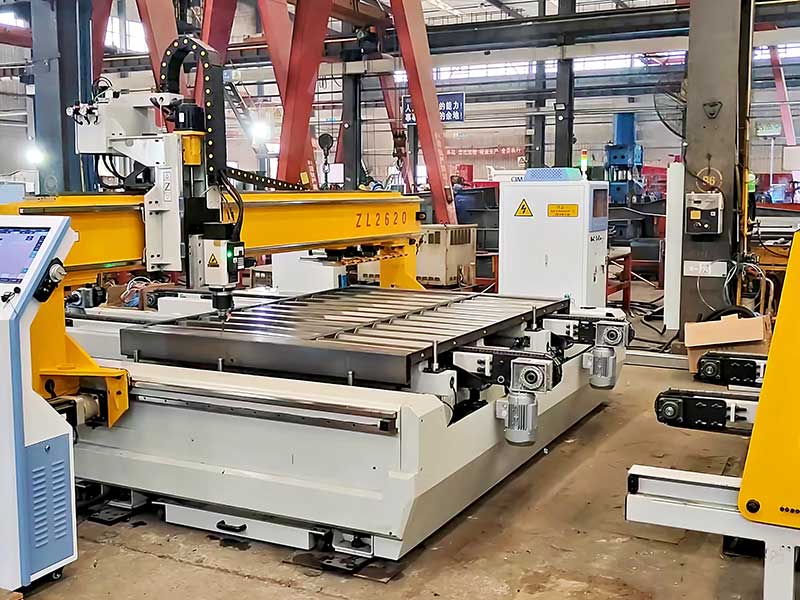
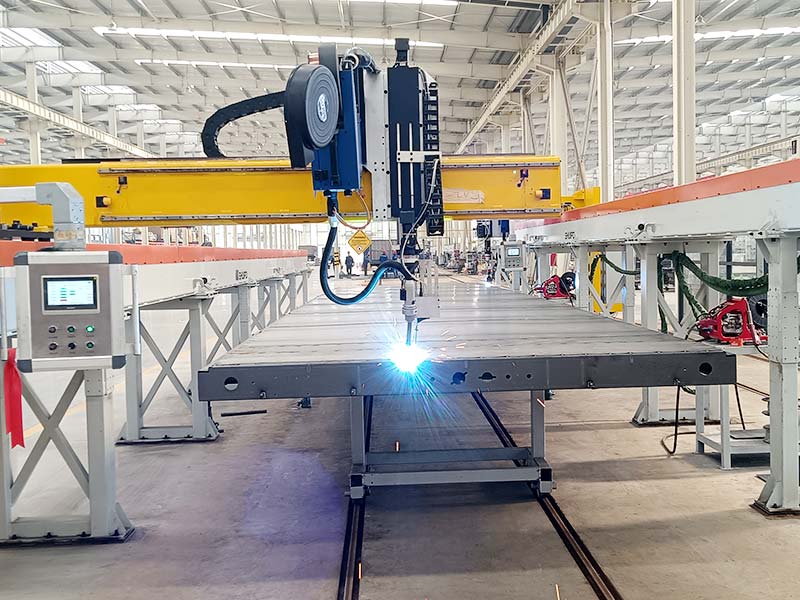
По мере усложнения производственных процессов и усложнения конструкции изделий спрос на передовые сварочные технологии продолжает расти Традиционные сварочные системы часто испытывают трудности с сохранением точности и последовательности при работе с неправильными формами, различными материалами и динамичными производственными средами.В ответ на эти проблемы компания Shuipo Intelligent разработала новое поколение сварочных решений, основанных на трехмерном зрении и искусственном интеллекте.
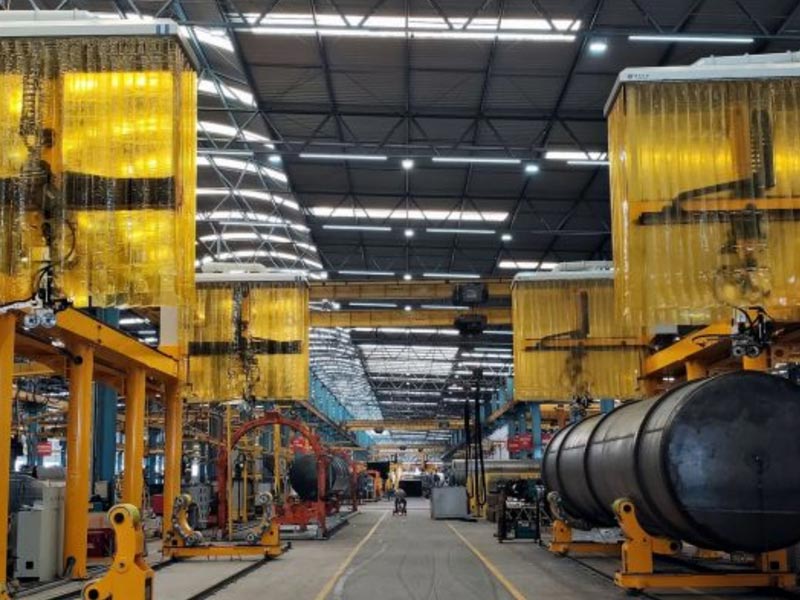
Интеграция технологии 3D-видения в сварочные системы знаменует собой значительный прогресс в промышленной автоматизации. захватывая пространственные данные заготовок с высоким разрешением, система может точно идентифицировать сварные швы даже в сложных условиях, таких как отражающие поверхности, изогнутая геометрия и узкие пространства. Этот уровень точности имеет решающее значение для отраслей, требующих высококачественных сварных швов, включая производство сосудов под давлением, стальные конструкции и тяжелое оборудование.
ИИ играет не менее важную роль в повышении производительности сварки. с помощью передовых алгоритмов система может анализировать собранные данные и автоматически генерировать оптимальные пути сварки. Это устраняет необходимость в ручном программировании и позволяет быстрее развертывать в производственных средах. более того, ИИ позволяет системе учиться и совершенствоваться с течением времени, постоянно оптимизируя параметры сварки на основе реальных данных.
Одним из ключевых преимуществ сочетания 3D-видения и ИИ является улучшение согласованности В традиционных процессах сварки вариации навыков оператора могут привести к несоответствиям в качестве сварного шва Однако автоматизированные системы гарантируют, что каждый сварной шов выполняется с одинаковым уровнем точности, независимо от внешних факторов. это приводит к более высокой надежности продукта и снижению показателей брака.
Еще одним важным преимуществом является гибкость Современное производство часто предполагает производство широкого спектра изделий с различными спецификациями. интеллектуальные сварочные системы Shuipo могут быстро адаптироваться к этим вариациям, не требуя обширной реконфигурации. это делает их идеальными для серийного производства, индивидуального производства и многопродуктовых производственных линий.
Технология цифровых двойников еще больше повышает эффективность этих систем. создавая виртуальную модель производственной линии, производители могут моделировать сварочные процессы до фактического развертывания. это позволяет заранее выявлять и решать потенциальные проблемы, снижая риски и повышая общую эффективность. Виртуальный ввод в эксплуатацию также сокращает сроки реализации проекта и снижает затраты на его реализацию.
Помимо повышения производительности, эти технологии также способствуют более эффективному принятию решений Благодаря комплексному сбору и анализу данных производители могут получить ценную информацию о производственных процессах, выявить неэффективность и оптимизировать операции. Этот подход, основанный на данных, становится все более важным в эпоху Индустрии 4.0.
Возможности удаленного мониторинга и обслуживания - еще одна ключевая особенность. благодаря интеграции 5G и промышленного интернета операторы могут контролировать производительность оборудования в режиме реального времени, удаленно диагностировать проблемы и выполнять обновления программного обеспечения без вмешательства на месте. Это сокращает время простоя и обеспечивает непрерывное производство.
Приверженность Shuipo Intelligent инновациям отражается в ее обширных усилиях в области НИОКР и сильном патентном портфеле. постоянно инвестируя в передовые технологии, компания стремится оставаться в авангарде промышленной автоматизации и предоставлять передовые решения своим клиентам.
По мере того, как обрабатывающая промышленность продолжает развиваться, внедрение технологий 3D-видения и искусственного интеллекта будет играть решающую роль в формировании будущего сварки. Компании, которые примут эти инновации, будут иметь больше возможностей для повышения эффективности, снижения затрат и поддержания конкурентного преимущества на мировом рынке.