
Технология сварки с использованием искусственного интеллекта исключает ручное программирование и повышает эффективность
В сегодняшнем высококонкурентном производственном ландшафте эффективность, точность, гибкость стали существенными для компаний, стремящихся к долгосрочному росту Традиционные сварочные процессы, которые часто полагаются на ручное обучение и сложное программирование, все больше не способны удовлетворить требования современного промышленного производства Для решения этих проблем Shuipo Intelligent внедрила свои передовые роботизированные системы для сварки без обучения, переопределяя, как автоматизация сварки реализуется в разных отраслях.
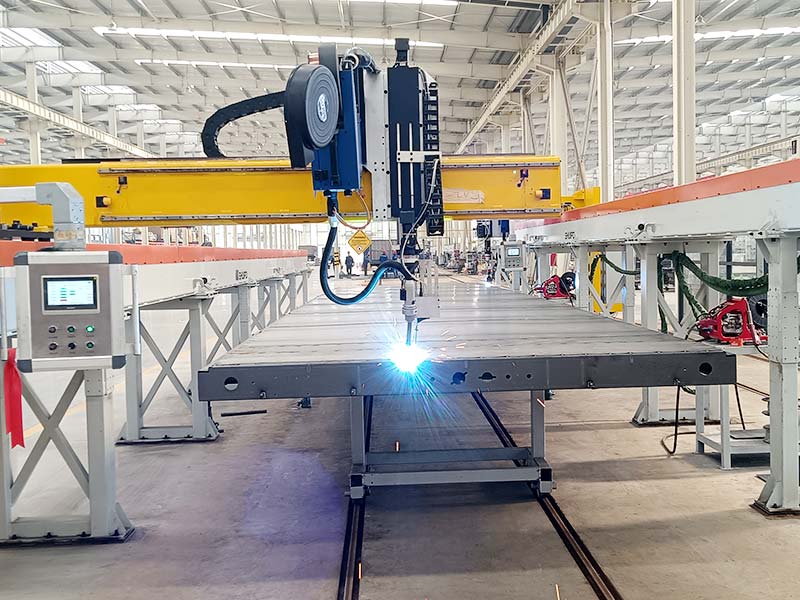
Технология сварки без обучения представляет собой значительный прорыв в роботизированной автоматизации В отличие от обычных систем, которые требуют от квалифицированных операторов ручного программирования сварочных путей, это инновационное решение использует трехмерное зрение и искусственный интеллект для автоматической идентификации сварных швов и создания оптимальных траекторий сварки Это не только снижает зависимость от высококвалифицированной рабочей силы, но также значительно сокращает время настройки от нескольких часов до нескольких минут.
В основе этой системы лежит мощный модуль распознавания трехмерного зрения. сканируя геометрию заготовки в реальном времени, система может точно определять положения швов даже на сложных поверхностях, таких как изогнутые резервуары, неправильные конструкции и крупномасштабные компоненты. В сочетании с планированием пути на основе искусственного интеллекта робот может динамически регулировать свой путь сварки, чтобы обеспечить стабильное качество различных партий и вариаций продукции.
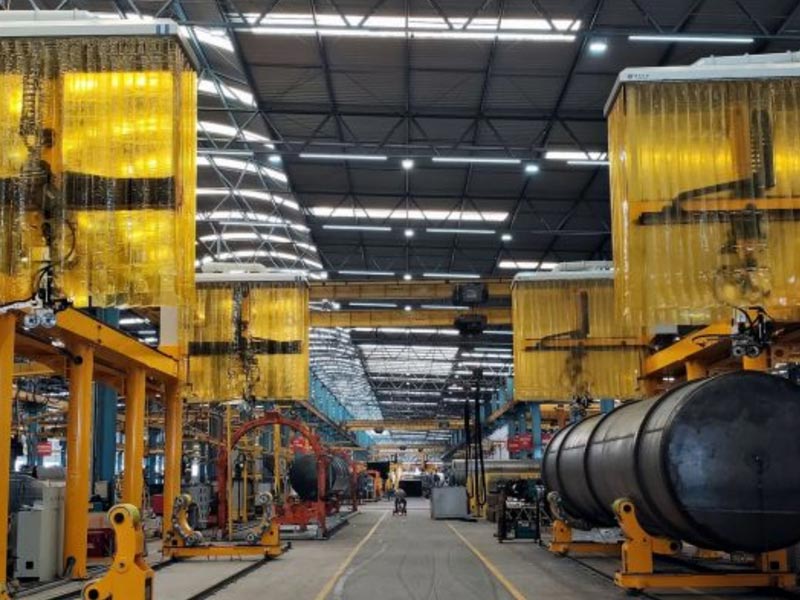
Еще одним ключевым преимуществом сварки без обучения является ее адаптируемость В традиционных производственных условиях даже незначительные изменения в конструкции заготовок часто требуют перепрограммирования, что приводит к простоям и увеличению затрат Однако система Shuipo автоматически адаптируется к изменениям формы и размера, позволяя производителям быстро и эффективно переключаться между продуктами. Это делает ее особенно подходящей для таких отраслей, как специальные транспортные средства, строительное оборудование и индивидуальные стальные конструкции.
Помимо повышения эффективности работы, система также повышает качество сварки. адаптивная технология управления сваркой постоянно контролирует условия сварки и регулирует такие параметры, как скорость, ток и ввод тепла в режиме реального времени. Это обеспечивает равномерность сварных швов, уменьшает дефекты и повышает общую надежность продукта.
Внедрение систем сварки без обучения также способствует значительной экономии затрат. сокращая ручное вмешательство, компании могут снизить затраты на рабочую силу и минимизировать человеческие ошибки. Кроме того, повышенная эффективность и сокращение времени настройки позволяют повысить производительность производства, позволяя производителям удовлетворять растущие потребности рынка без расширения своей рабочей силы.
Устойчивое развитие является еще одним важным преимуществом. благодаря оптимизированным процессам сварки и сокращению отходов материалов компании могут снизить воздействие на окружающую среду, сохраняя при этом высокие стандарты производства. Это соответствует глобальным тенденциям к более экологичным и энергоэффективным производственным практикам.
технология сварки без обучения Shuipo Intelligent уже успешно внедрена во многих промышленных приложениях по всему миру.Клиенты сообщили о существенном повышении эффективности производства, согласованности продукции и гибкости в работе. поскольку отрасли продолжают двигаться к автоматизации и цифровизации, такие интеллектуальные решения становятся ключевым фактором трансформации.
Заглядывая в будущее, Shuipo Intelligent по-прежнему стремится продвигать автоматизацию сварки посредством непрерывных инноваций. интегрируя ИИ, робототехнику и промышленные интернет-технологии, компания стремится к дальнейшему расширению возможностей интеллектуальных производственных систем и обеспечению еще большей ценности для своих клиентов по всему миру.