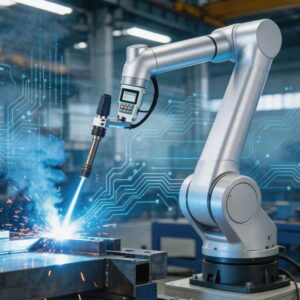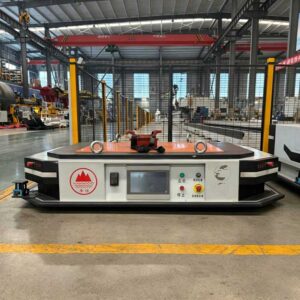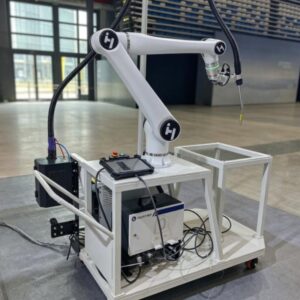

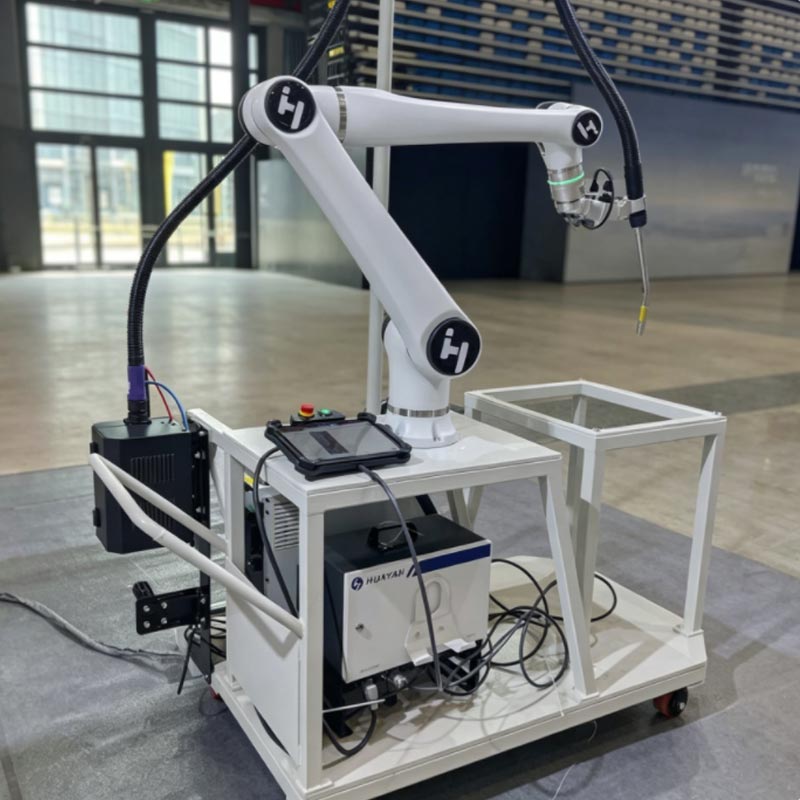
Máy trạm robot hợp tác này được thiết kế để hàn tự động các kết cấu thép, các thành phần xe đặc biệt, các bộ phận máy móc kỹ thuật và các sản phẩm liên quan khác.Nó hỗ trợ sự hợp tác giữa con người và robot, giảng dạy kéo và thả, và lập trình đồ họa, và có thể thích ứng với các đường nối dài, hàn liên tục và các kịch bản hàn góc phức tạp.Khi ghép nối với thiết bị hàn được chỉ định, nó cho phép hàn có độ chính xác cao, độ nhất quán cao, thay thế hàn thủ công truyền thống để nâng cao hiệu quả sản xuất và chất lượng hàn.
Tự động hóa thông minh
Hệ thống hàn được hỗ trợ bởi AI được thiết kế cho các hoạt động sản xuất hiệu quả và thông minh.
Độ chính xác & Độ ổn định
Các công nghệ tiên tiến đảm bảo chất lượng hàn chính xác và hiệu suất công nghiệp đáng tin cậy.
Sản xuất linh hoạt
Giải pháp tự động hóa tùy chỉnh hỗ trợ các ngành công nghiệp và yêu cầu sản xuất đa dạng.
Được thiết kế để hàn tự động các sản phẩm như kết cấu thép, linh kiện xe chuyên dụng và các bộ phận máy móc xây dựng, hệ thống này hỗ trợ sự hợp tác giữa con người và robot, giảng dạy kéo và thả và lập trình đồ họa. nó có thể thích ứng với các kịch bản hàn khác nhau bao gồm các đường nối dài, mối hàn liên tục và các mối nối góc phức tạp, khi ghép nối với thiết bị hàn được chỉ định, đạt được kết quả có độ chính xác cao, tính nhất quán cao.Bằng cách thay thế hàn thủ công truyền thống, nó tăng cường đáng kể cả hiệu quả sản xuất và chất lượng mối hàn.
1. đặc trưng với một thiết kế hợp tác 6 trục, một tải trọng công suất 10 kg, và một tầm với tối đa 1400 mm, nó bao gồm một loạt các hoạt động hàn và rất phù hợp với các yêu cầu hàn của trung bình-to-lớn phôi khác nhau.
2. với độ chính xác định vị lặp lại ± 0,05 mm, nó đảm bảo sự hình thành hạt hàn đồng đều và có tính nhất quán cao, do đó làm giảm hiệu quả tỷ lệ khuyết tật hàn.
3. được trang bị với một chức năng phát hiện va chạm an toàn, nó cho phép hàng rào-miễn phí hoạt động hợp tác con người-robot và thích ứng linh hoạt để bố trí hội thảo nhỏ gọn.
4. xây dựng từ một cơ thể hợp kim nhôm nhẹ chỉ nặng 45 kg, nó cung cấp triển khai linh hoạt và cho phép dễ dàng điều chỉnh các vị trí lắp đặt để đáp ứng yêu cầu dây chuyền sản xuất.
5. đặc trưng với một mảng phong phú của giao diện, nó tích hợp liền mạch với các thợ hàn MEGMEET CM500R, các Shuibo 500A làm mát bằng nước hàn ngọn đuốc, và các thiết bị ngoại vi khác, đảm bảo khả năng tương tác hệ thống mạnh m.
| Không. | Mục | Thông số kỹ thuật |
|---|---|---|
| 1 | Mô hình | SP-E10L-1400 |
| 2 | Tải trọng định mức | 10kg |
| 3 | Reach tối đa | 1400mm |
| 4 | Mức độ tự do | 6 Trục |
| 5 | Lặp lại độ chính xác định vị | ±0,05mm |
| 6 | Trọng lượng Robot | 45kg |
| 7 | Lớp bảo vệ | IP54 |
| 8 | Phương pháp cài đặt | Giỏ hàng di động |
| 9 | Cung Cấp Điện | 200-240V~380V AC, 50/60Hz |
| 10 | Phạm vi chuyển động chung | J1, J4, J6: ±360°; J2: ±135°; J3: ±153°; J5: ±180° |
| Không. | Mô tả | Thương hiệu |
|---|---|---|
| 1 | Cơ thể Robot hợp tác | SHUIPO |
| 2 | Nguồn điện hàn | Megmeet |
| 3 | Hệ thống điều khiển điện | SHUIPO |
| 4 | Dạy Mặt dây chuyền | SHUIPO |
| 5 | Ngọn đuốc hàn làm mát bằng nước | SHUIPO |
| 6 | Đơn vị làm mát nước | SHUIPO |
| 7 | Xử lý | SHUIPO |
| 8 | Có thể thay thế bằng thương hiệu tương đương vì những lý do đặc biệt | – |
1. cơ thể Robot hợp tác: 1 Unit 2. tủ điều khiển điện: 1 Unit 3. thợ hàn Megmeet (bao gồm cả Feeder dây): 1 Set 4. ngọn đuốc hàn làm mát bằng nước 500A: 1 Set 5. giỏ cơ sở Workstation: 1 Unit 6. cáp điện 10 mét tiêu chuẩn
| Không. | Mục | Yêu cầu |
|---|---|---|
| 1 | Vị trí | Trong nhà (không có nguồn tiếng ồn điện gần đó) |
| 2 | Nhiệt độ môi trường xung quanh | -5°C ~ 45°C |
| 3 | Độ ẩm môi trường xung quanh | 20%–80% RH (không ngưng tụ) |
| 4 | Rung | Gia tốc rung < 0,5g |
| 5 | Khí dễ cháy | Không có |
| 6 | Khí ăn mòn | Không có |
| 7 | Cung Cấp Điện | AC 3 pha 380V ±5%, 50Hz–60Hz |
| 8 | Độ cao | 1000 mét |
Môi trường làm việc này không bao gồm các bộ phận được mua với các yêu cầu đặc biệt.
Trong vòng bốn ngày kể từ ngày ký hợp đồng, Bên mua phải cung cấp bản vẽ chi tiết của phôi. kích thước của các bộ phận sản phẩm phải phù hợp với các thông số kỹ thuật bản vẽ, và dung sai nhất quán kích thước giữa các bộ phận không được vượt quá ± 1 mm.
Bề mặt của các bộ phận phải không có dầu, rỉ sét và chất gây ô nhiễm.
Các bộ phận không được có bất kỳ gờ nào có thể cản trở việc định vị, kẹp hoặc hàn.
Trong vòng hai tuần sau khi hợp đồng được ký kết và có hiệu lực, Nhà cung cấp phải cung cấp một bộ bản vẽ bố trí chung, bản vẽ nền móng và bản vẽ cho các bộ phận do Bên mua chế tạo (cho mục đích xây dựng) cho từng thiết bị riêng lẻ.
Nếu Bên mua không thi công phần móng trong vòng năm tháng kể từ khi ký hợp đồng, họ phải liên hệ với Công ty trước khi bắt đầu công việc làm móng lại.Điều này là cần thiết để ngăn chặn các vấn đề phát sinh từ việc cập nhật thiết bị hoặc bản vẽ móng lỗi thời có thể khiến phần móng không tương thích với thiết bị trong quá trình lắp đặt.
Địa điểm lắp đặt thiết bị phải được dọn sạch và chuẩn bị.
Phải có sẵn nhân sự do Bên mua chỉ định tham gia vào quá trình lắp đặt và vận hành.
Tất cả các tiện ích bao gồm nước, điện và gas phải được kết nối và định tuyến đến các điểm/công tắc kết nối tương ứng trên thiết bị do Nhà cung cấp cung cấp.
Các móng lắp đặt và các bộ phận nhúng phải được xây dựng trước theo bản vẽ móng do Nhà cung cấp cung cấp; các móng hoàn thành phải đáp ứng đầy đủ các yêu cầu lắp đặt của thiết bị của Nhà cung cấp.
Bên mua chịu trách nhiệm lắp đặt thiết bị và các phụ kiện liên quan, đảm bảo rằng việc lắp đặt đáp ứng các yêu cầu vận hành và tiêu chuẩn lắp đặt của Nhà cung cấp.Nhà cung cấp sẽ cung cấp hướng dẫn và hỗ trợ trong quá trình lắp đặt thiết b.
Bên mua phải chuẩn bị ít nhất ba mẫu (hoặc bộ mẫu) cho mục đích vận hành và thử nghiệm.
Bên mua phải cung cấp các phương tiện và tiện ích cần thiết cho nhân viên của Nhà cung cấp trong thời gian lắp đặt, vận hành và bảo trì thiết b.
Địa điểm lắp đặt thiết bị phải được dọn sạch và chuẩn bị.
Phải có sẵn nhân sự do Bên mua chỉ định tham gia vào quá trình lắp đặt và vận hành.
Tất cả các tiện ích bao gồm nước, điện và gas phải được kết nối và định tuyến đến các điểm kết nối (công tắc) tương ứng trên thiết bị do Nhà cung cấp cung cấp.
Nền tảng lắp đặt, các bộ phận nhúng và các yếu tố tương tự phải được xây dựng trước theo bản vẽ nền tảng do Nhà cung cấp cung cấp; nền tảng hoàn thành phải tuân thủ đầy đủ các yêu cầu lắp đặt của thiết bị của Nhà cung cấp.
Bên mua phải chịu trách nhiệm lắp đặt thiết bị và các phụ kiện liên quan, đảm bảo rằng việc lắp đặt nói trên đáp ứng các yêu cầu vận hành và tiêu chuẩn lắp đặt do Nhà cung cấp quy định.Nhà cung cấp phải cung cấp hướng dẫn và hỗ trợ trong quá trình lắp đặt thiết b.
Bên mua phải chuẩn bị ít nhất ba (3) mẫu (hoặc bộ mẫu) cho mục đích vận hành thử.
Bên mua phải tạo điều kiện thuận lợi cho công việc của Nhà cung cấp trong các giai đoạn lắp đặt, vận hành và bảo trì thiết b.
| Không. | Danh mục | Phạm vi công việc | Người mua | Người bán |
|---|---|---|---|---|
| 1 | Điện | Lưới điện đến phòng phân phối hội thảo | △ | |
| Trạm biến áp xưởng cho tủ điều khiển thiết bị của Người bán (dây chính) | △ | |||
| Tủ điều khiển thiết bị của người bán đến từng điểm tiêu thụ điện năng (hệ thống dây điện thứ cấp) | △ | |||
| 2 | Khí nén | Trạm nén khí | △ | |
| Thành phần xử lý không khí thứ cấp | △ | |||
| Đường ống từ trạm nén khí đến cửa hút gió của thiết bị | △ | |||
| Đường ống bên trong tại cửa hút gió của thiết bị | △ | |||
| 3 | Công trình dân dụng & tổng hợp | Các công trình dân dụng bao gồm sàn xưởng, móng thiết bị, cộng với các tấm thép nhúng sẵn, đường ray, nắp khay cáp và giá đỡ cáp trong khay | △ | |
| Hệ thống sưởi ấm, chiếu sáng, phòng cháy chữa cháy, thông gió nhà xưởng | △ | |||
| 4 | Khác | Nước tạm thời, điện, vật tư tiêu hao máy hàn cần thiết để lắp đặt | △ | |
| Nước, điện, khí đốt, dầu bôi trơn và dầu thủy lực cần thiết để vận hành | △ | |||
| Tất cả các khoản phí và quy định liên quan đến bảo vệ môi trường, an toàn cháy nổ, chấp nhận vệ sinh | △ |
Nhà cung cấp có trách nhiệm cung cấp các yêu cầu thiết kế bao gồm bản vẽ cho nền tảng thiết bị, các bộ phận nhúng, đường ống tiện ích và cáp điện cho tất cả các trạm hàn. điều này không bao gồm thiết kế và xây dựng công trình dân dụng; Bên mua phải đảm bảo rằng các biện pháp chống thấm và chống lắng thích hợp được thực hiện trong quá trình xây dựng dân dụng của họ.
Thời hạn bảo hành sẽ kéo dài trong 12 tháng, bắt đầu từ ngày thiết bị theo hợp đồng được lắp đặt, vận hành và chấp nhận thành công tại cơ sở của Người mua.
Nếu có bất kỳ vấn đề nào về chất lượng sản phẩm phát sinh trong thời gian bảo hành, Bên mua không được tháo dỡ hoặc cố gắng sửa chữa thiết bị mà không được phép.Thay vào đó, Bên mua trước tiên phải liên hệ với Nhà cung cấp.Khi Nhà cung cấp xác nhận rằng vấn đề bắt nguồn từ lỗi chất lượng sản phẩm, Nhà cung cấp sẽ chịu hoàn toàn trách nhiệm giải quyết vấn đề và tất cả các chi phí liên quan sẽ do Nhà cung cấp chịu.
Khi hết thời hạn bảo hành, Nhà cung cấp sẽ ưu tiên cung cấp phụ tùng và dịch vụ cho Người mua theo các điều khoản ưu đãi.
Sau khi hết thời hạn bảo hành, Nhà cung cấp sẽ cung cấp dịch vụ sửa chữa và bảo trì trên cơ sở tính phí dịch vụ.Nếu cần mua hoặc thay thế phụ tùng thay thế, Nhà cung cấp sẽ ưu tiên cung cấp các bộ phận này cho Người mua theo giá gốc; việc vận chuyển các bộ phận chỉ được sắp xếp sau khi nhận được thanh toán.
1.Nhà cung cấp có trách nhiệm cung cấp đào tạo cho người vận hành thiết bị hoặc nhân viên bảo trì của Người mua.Tất cả các học viên được Người mua chỉ định phải có trình độ học vấn tương đương hoặc cao hơn bằng tốt nghiệp trung học hoặc trường dạy nghề, cũng như kiến thức và kỹ năng cơ bản về cơ khí, điều chỉnh và vận hành thiết bị và điều khiển hệ thống.
2. Mục tiêu của khóa đào tạo là đảm bảo rằng các học viên của Người mua có được sự hiểu biết đầy đủ về hiệu suất của máy công cụ và các quy trình khắc phục sự cố cơ bản, từ đó cho phép họ độc lập nắm vững tất cả các yêu cầu liên quan đến vận hành, điều chỉnh và bảo trì.
3. sau khi mua thiết bị, đào tạo miễn phí được giới hạn ở hai (2) nhân sự cho mỗi máy. buổi đào tạo sẽ diễn ra trong hai (2) ngày ngay sau khi hoàn thành việc lắp đặt và vận hành thiết bị. phương pháp đào tạo sẽ kết hợp hướng dẫn lý thuyết với ứng dụng thực tế và địa điểm đào tạo sẽ là trang web thiết bị của Người mua.
4. giáo trình đào tạo phải bao gồm: vận hành và lập trình robot; điều chỉnh thông số cho máy hàn Megmeet Ehave2 CM500R; bảo trì mỏ hàn làm mát bằng nước Shuibo 500A; chẩn đoán lỗi thiết bị và xử lý sự cố; và quy trình bảo trì hàng ngày.
5.Sau khi kết thúc buổi đào tạo, Nhà cung cấp sẽ tiến hành đánh giá học viên.Sau khi học viên đã vượt qua đánh giá thành công, cả người quản lý giám sát có liên quan và cá nhân học viên sẽ ký xác nhận và xác nhận việc hoàn thành khóa đào tạo.
Lựa chọn thiết bị hàn và tự động hóa thông minh phù hợp là điều cần thiết để nâng cao hiệu quả sản xuất và đạt được hiệu suất sản xuất ổn định.
Với hơn 20 năm chuyên môn, chúng tôi cung cấp các thiết bị hàn tiên tiến và các giải pháp tự động hóa chìa khóa trao tay giúp các nhà sản xuất nâng cao hiệu quả, độ chính xác và năng suất trên toàn thế giới.
Không cần giảng dạy thủ công hoặc lập trình phức tạp.Với công nghệ thị giác 3D tiên tiến, hệ thống tự động xác định quỹ đạo đường hàn và tạo ra các đường dẫn được tối ưu hóa, giảm đáng kể thời gian thiết lập và nâng cao hiệu quả hoạt động.
Chúng tôi hiểu những thách thức chung mà các nhà sản xuất phải đối mặt khi nâng cấp lên hệ thống hàn và tự động hóa thông minh. Dưới đây là câu trả lời cho các câu hỏi thường gặp nhất của khách hàng.
Khả năng dịch vụ quốc tế của chúng tôi đảm bảo phản ứng kỹ thuật nhanh chóng và hỗ trợ đáng tin cậy cho khách hàng trên toàn thế giới.
Có. hệ thống hàn không dạy của chúng tôi loại bỏ lập trình thủ công phức tạp. thông qua tầm nhìn 3D và tạo đường dẫn tự động AI, thợ hàn thông thường có thể nhanh chóng vận hành thiết bị với đào tạo tối thiểu.
Số Hệ thống tự động nhận dạng các phôi và đường hàn khác nhau, cho phép sản xuất linh hoạt mà không cần giảng dạy thủ công lặp đi lặp lại hoặc lập trình lại phức tạp.
Vâng. nhận dạng đường may tầm nhìn 3D của chúng tôi và công nghệ quét laser xác định chính xác các bề mặt cong, cấu trúc không đều và đường hàn phức tạp cho chất lượng hàn ổn định.
Hệ thống điều khiển hàn thích ứng của chúng tôi tự động điều chỉnh các thông số hàn trong thời gian thực theo điều kiện đường may và thay đổi vật liệu, đảm bảo chất lượng hàn phù hợp và đáng tin cậy.
Có. chúng tôi cung cấp hỗ trợ vòng đời đầy đủ bao gồm thiết kế giải pháp, sản xuất thiết bị, lắp đặt, vận hành thử, đào tạo người vận hành và dịch vụ hậu mãi dài hạn.
Tuyệt đối. hệ thống hàn thông minh của chúng tôi giảm đáng kể sự phụ thuộc vào lao động có tay nghề, rút ngắn thời gian thiết lập, nâng cao hiệu quả sản xuất và hỗ trợ nâng cấp sản xuất thông minh dài hạn.
Nhận các giải pháp hàn & tự động hóa chuyên nghiệp cho nhu cầu sản xuất của bạn.
Cho dù bạn cần thiết bị hàn thông minh, dây chuyền sản xuất tự động, hoặc các giải pháp sản xuất tùy chỉnh, đội ngũ của chúng tôi sẵn sàng hỗ trợ dự án của bạn trên toàn thế giới.