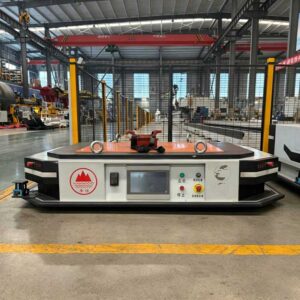

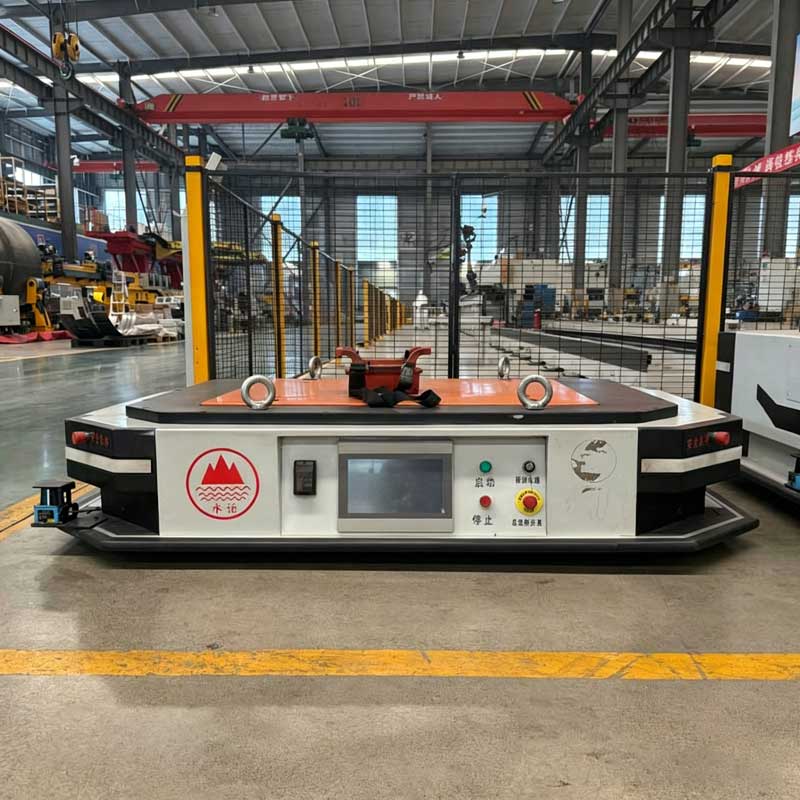
1) Mức độ tự động hóa cao:
Hệ thống tích hợp một bộ chức năng điều khiển toàn diện được quản lý thông qua máy tính, bộ điều khiển điện tử, cảm biến dẫn đường từ tính, gương phản xạ laser và hệ thống điều khiển phụ trợ tập trung (máy chủ chính) bao gồm phân bổ nhiệm vụ, lập kế hoạch thông minh, lập kế hoạch đường dẫn, xử lý đa nhiệm vụ, xử lý nhiệm vụ khẩn cấp, giao tiếp dây chuyền sản xuất, gọi trạm, phân tích và giải quyết lỗi, thống kê và phân tích dữ liệu, thiết lập cơ sở hạ tầng mạng, tích hợp hệ thống (với MES và ERP), cảnh báo pin thấp và sạc tự động cũng như quản lý lưu lượng.
Khi một giai đoạn cụ thể của hoạt động xưởng đòi hỏi vận chuyển vật liệu, hệ thống điều khiển trung tâm truyền thông tin liên quan đến hệ thống lập kế hoạch. thông qua mạng không dây, các lệnh được cấp cho máy tính trên tàu; sau đó không được hỗ trợ bởi hoạt động phối hợp của các đơn vị điều khiển điện tử theo các hướng dẫn này được nhận và thực hiện bởi bộ điều khiển trên tàu của AGV, từ đó cung cấp vật liệu đến các vị trí được chỉ định của họ. quá trình này tăng cường đáng kể hiệu quả sản xuất.
2) Sạc tự động:
Khi nguồn pin của AGV gần cạn kiệt, nó sẽ truyền tín hiệu yêu cầu đến hệ thống để bắt đầu sạc (thông thường, một ngưỡng cụ thể được cấu hình trước bởi nhân viên kỹ thuật).Sau khi được hệ thống ủy quyền, AGV sẽ tự động tiến tới trạm sạc được chỉ định để “xếp hàng” và sạc lại.
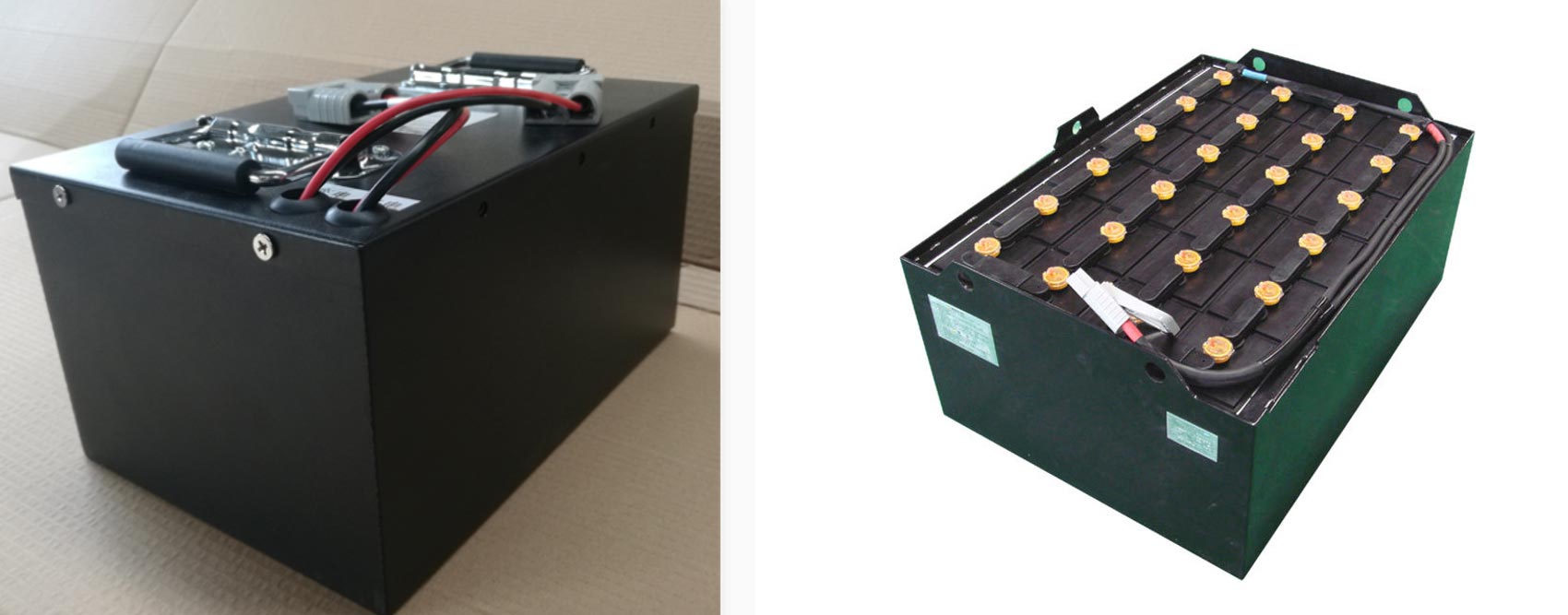
Hơn nữa, AGV có pin có tuổi thọ cao, có khả năng hoạt động trong khoảng tám giờ chỉ sau ba giờ sạc.
3) Kháng cáo thẩm mỹ:
Hệ thống nâng cao tính thẩm mỹ thị giác của không gian làm việc, từ đó nâng cao hình ảnh tổng thể của công ty.
4) Tiện lợi và hiệu quả không gian:
Hệ thống này mang lại sự tiện lợi đặc biệt và giảm thiểu yêu cầu về không gian sàn, vì AGV trong cơ sở sản xuất có thể di chuyển qua lại liền mạch qua các khu vực xưởng khác nhau.
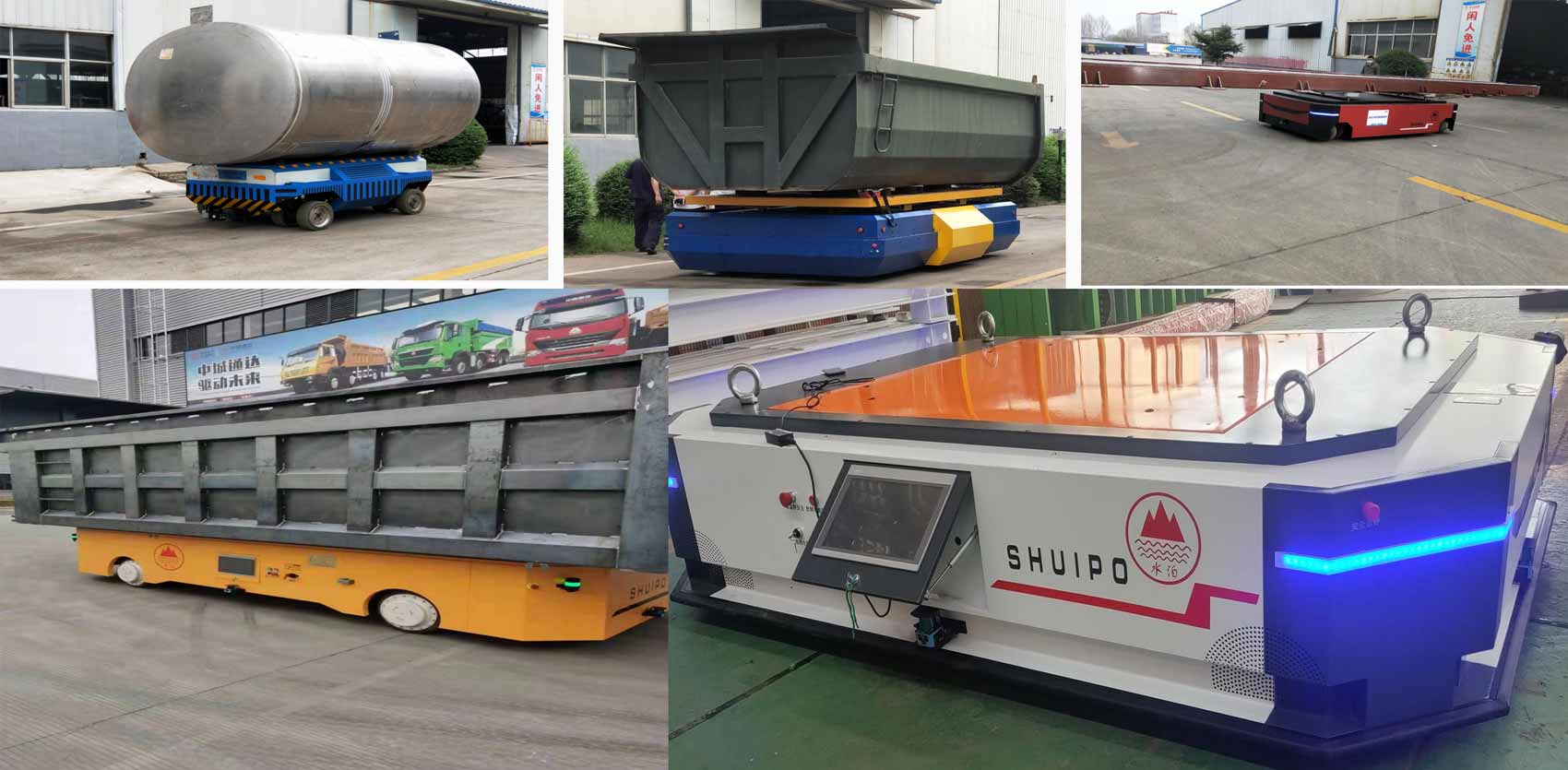
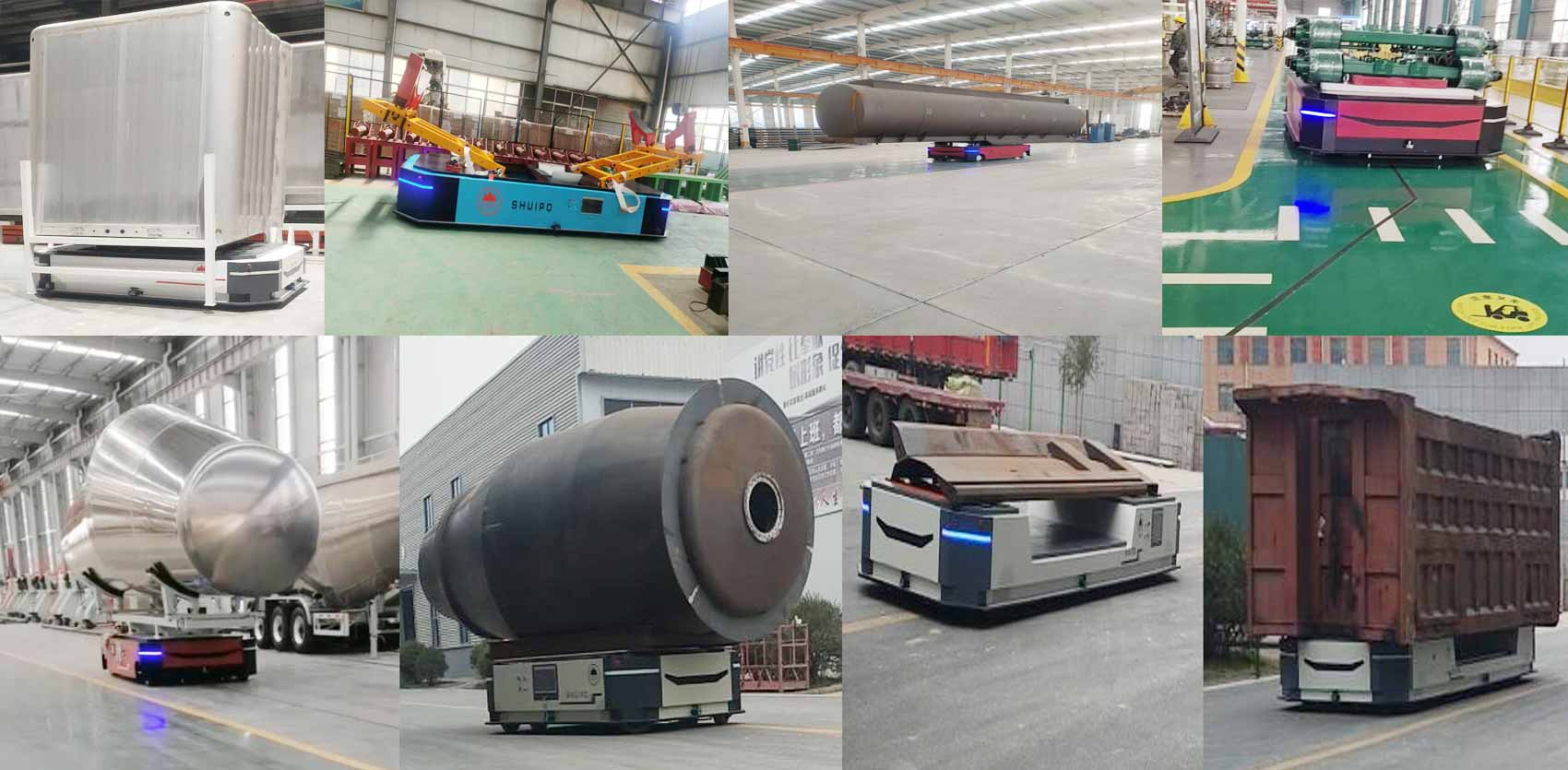
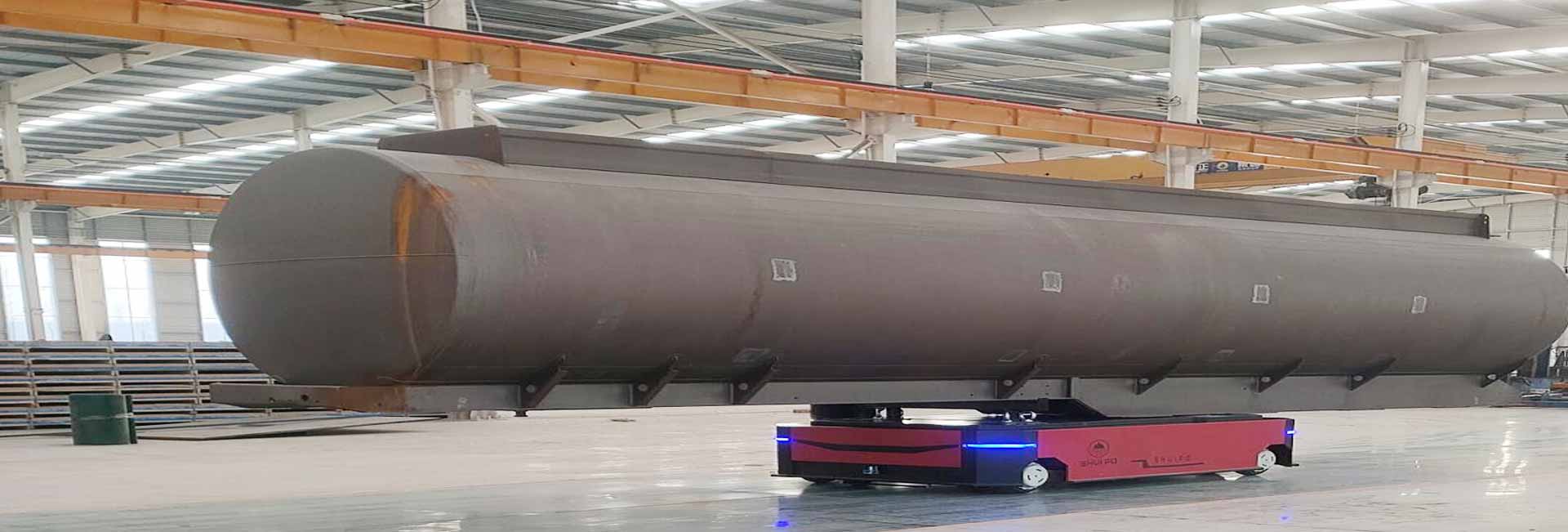
Trong ngành công nghiệp xe chuyên dụng, ứng dụng thực tế đã được chứng minh thành công trên các dây chuyền sản xuất khung, thân xe, xe tăng, xe xây dựng và linh kiện. Hoạt động trong dây chuyền sản xuất, xe dịch vụ AGV quản lý hậu cần cho sản phẩm tại mọi trạm làm việc và qua mọi giai đoạn xử lý. Sử dụng hệ thống hoàn toàn tự động kết hợp cảm biến điện từ, hướng dẫn quang học và thu thập dữ liệu mã QR, Fit điều hướng chính xác đến trạm làm việc sản phẩm được chỉ định. Sau đó, nó sử dụng cơ chế nâng thủy lực để nâng hàng hóa và vận chuyển đến trạm xử lý tiếp theo. Sau đó, hành động dựa trên dữ liệu thu được thông qua quét mã QR hoặc hướng dẫn được truyền từ máy tính trung tâm, nó tiến hành thực hiện các nhiệm vụ cho giai đoạn tiếp theo của quy trình làm việc.
Trong bối cảnh này, xe dịch vụ AGV thay thế nhiều hoạt động nâng thủ công, do đó làm giảm nhu cầu về nhiều nhân sự cũng như nhiều cần cẩu trên cao và xe nâng. điều này không chỉ ngăn ngừa tai nạn an toàn và tăng hiệu quả sản xuất mà còn làm giảm đáng kể chi phí sản xuất tổng th.
Radar dẫn đường bằng laser: Chủ yếu được sử dụng để định vị và điều hướng xe nâng và AGV dẫn đường bằng laser, radar này có các thuật toán nội bộ tích hợp cung cấp dữ liệu vị trí chính xác, đảm bảo độ chính xác định vị ±4 mm và do đó nâng cao đáng kể hiệu quả của các hoạt động xử lý hậu cần. Được thiết kế với mô-đun sưởi tích hợp, khả năng miễn nhiễm ánh sáng vượt trội và khả năng xử lý đa tiếng vang, radar giải quyết hiệu quả các thách thức vận hành mà xe nâng dẫn đường bằng laser phải đối mặt trong các môi trường đòi hỏi khắt khe như môi trường ngoài trời, kho lạnh và điều kiện bụi bặm. Hơn nữa, tự hào với phạm vi phát hiện cực dài 65 mét, radar cũng có khả năng cung cấp dữ liệu quét và đo khoảng cách có độ chính xác cao cho robot dẫn đường tự nhiên.
Công nghệ cảm biến điều hướng từ sử dụng các đặc tính từ trường của dải từ nhúng và điểm đánh dấu để thiết lập một nền tảng thử nghiệm tích hợp phát hiện tín hiệu từ với phân tích chuyển động tương đối giữa một chiếc xe và các yếu tố từ tính này. trên nền tảng này, các kịch bản trong thế giới thực liên quan đến điều hướng xe thông qua dải từ và điểm đánh dấu được mô phỏng để mô hình hóa các thao tác lái xe tự trị khác nhau bao gồm chuyển động tuyến tính, quỹ đạo đường cong chữ S và tăng tốc trong khi các chương trình phần mềm được phát triển để đáp ứng các yêu cầu chức năng cần thiết.
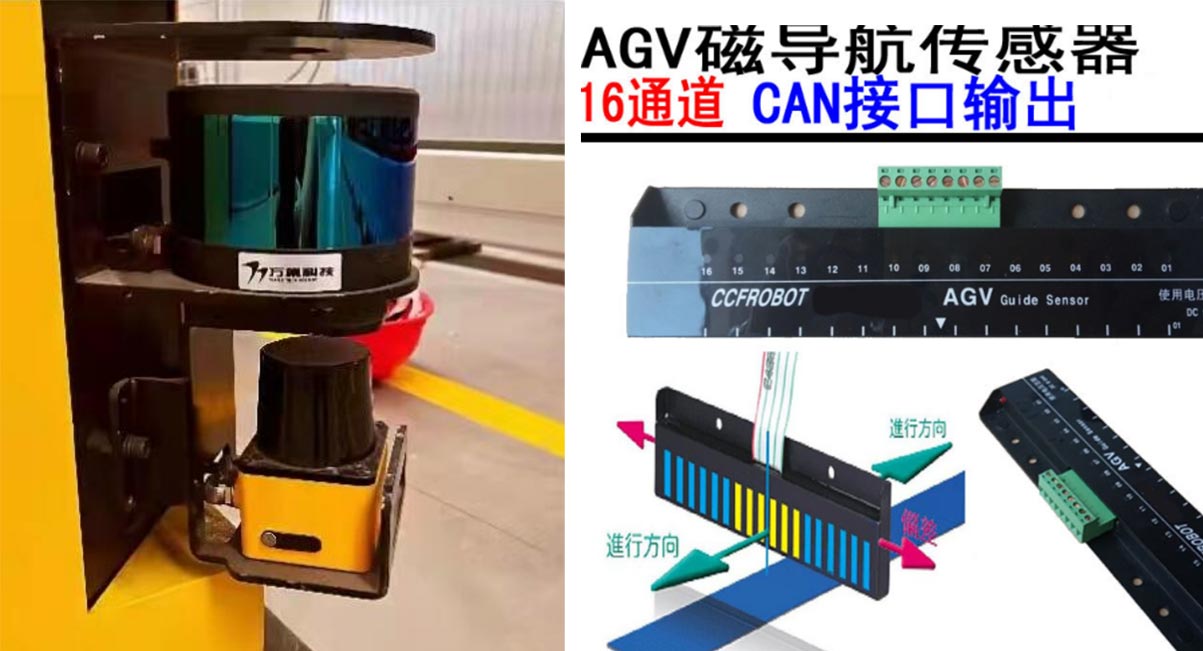

Máy quét laser an toàn và radar an toàn đại diện cho sự kết hợp hoàn hảo của công nghệ độc quyền tiên tiến, kinh nghiệm sâu rộng và hiệu suất tối ưu. cho dù đối với các ứng dụng di động hoặc cố định, từ bảo vệ khu vực đến giám sát truy cập trong gia đình sản phẩm toàn diện này cung cấp các giải pháp hiệu quả về chi phí và rất thỏa đáng cho hầu như mọi yêu cầu. Các thiết bị nhỏ gọn này quét môi trường xung quanh và đo khoảng cách dựa trên nguyên tắc đo Thời gian bay (TOF). Bằng cách sử dụng gương quay tích hợp, chúng tạo ra trường giám sát 2D bao phủ vùng bảo vệ do người dùng xác định.
Máy quét laser an toàn sử dụng công nghệ Time-of-Flight (TOF).Điều này có nghĩa là máy quét tính toán vị trí của một vật thể dựa trên thời gian cần thiết để một xung laser di chuyển từ thiết bị, phản xạ khỏi vật thể và quay trở lại thiết bị. Máy quét an toàn cho phép tùy chỉnh các vùng bảo vệ. Máy quét an toàn KEYENCE cung cấp góc quét lên tới 270° và phạm vi bảo vệ lên tới 8 mét; tính linh hoạt đặc biệt của chúng đã dẫn đến việc áp dụng rộng rãi trong nhiều ngành công nghiệp khác nhau. Những máy quét này có thể được gắn theo chiều dọc hoặc chiều ngang và có khả năng bảo vệ chống lại nhiều loại mối nguy hiểm khác nhau. Do đó, các thiết bị này mang lại những lợi thế khác biệt so với các phương pháp bảo vệ an toàn truyền thống.
Bảo vệ khu vực
Máy quét an toàn ngăn chặn các mối nguy hiểm xảy ra khi các đối tượng hoặc nhân viên vô tình đi vào khu vực nguy hiểm. những máy quét này có thể được cài đặt kín đáo để tránh thiệt hại hoặc tác động tiềm ẩn, đồng thời bảo vệ các khu vực có cả hình học đơn giản và phức tạp.
Ngăn chặn truy cập
Các máy quét hỗ trợ lắp dọc để phát hiện bất kỳ mục nhập trái phép vào một khu vực nguy hiểm. tùy chọn này là lý tưởng cho các địa điểm mà việc cài đặt hiệu quả của rèm cửa ánh sáng là khó khăn.
AGC/AGV
Máy quét laser an toàn có thể được gắn trên Xe có hướng dẫn tự động (AGV) hoặc xe đẩy vận chuyển để loại bỏ nguy cơ va chạm với các vật thể hoặc nhân viên dọc theo đường đi của chúng.Máy quét an toàn KEYENCE đảm bảo rằng các hoạt động diễn ra suôn sẻ và hiệu quả, không có nguy hiểm hoặc thời gian chết không cần thiết.
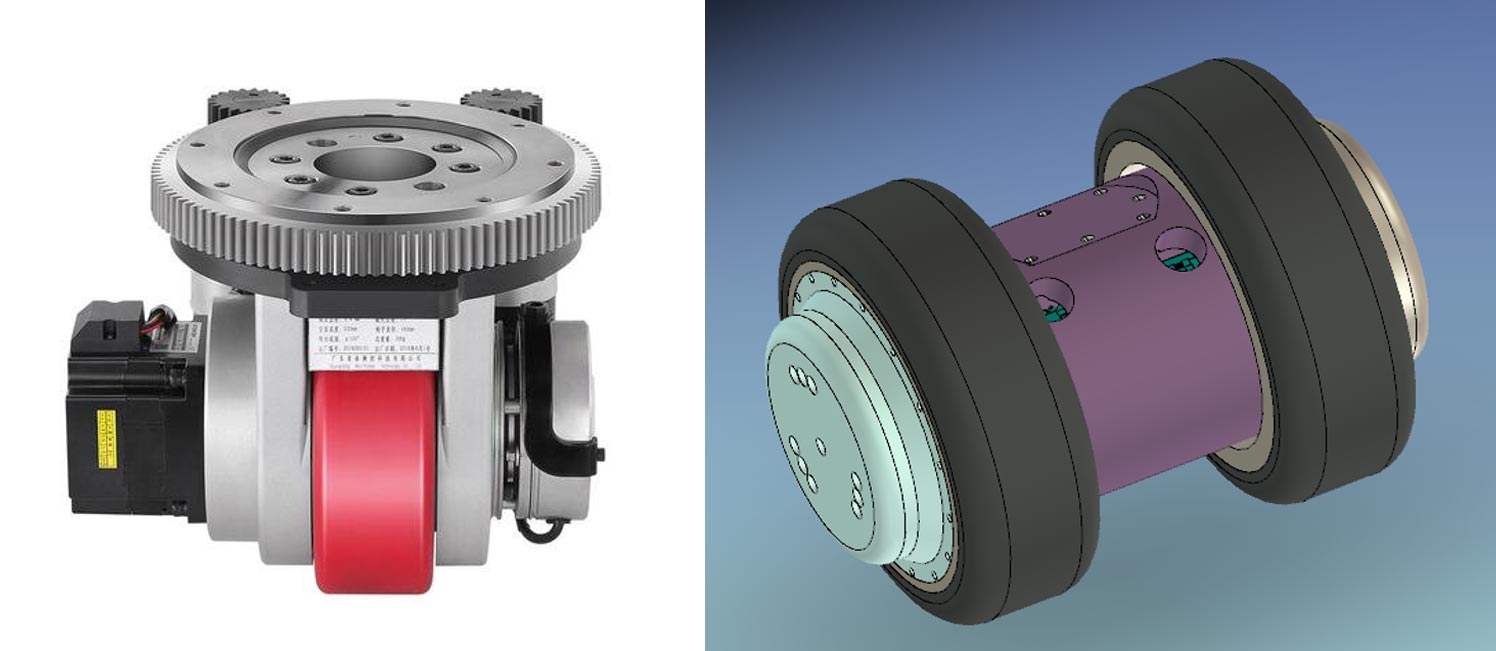
Cơ chế quay ngược bánh xe kép: Được điều khiển bởi động cơ servo và được điều khiển thông qua PLC sử dụng thuật toán độc lập độc quyền, hệ thống này sử dụng chuyển động vi sai quay ngược giữa hai bánh xe để đạt được vị trí chính xác, đến chính xác tại các vị trí mục tiêu và phanh tức thời. Nó cho phép thực hiện đầy đủ các thao tác linh hoạt, bao gồm chuyển động ngang, chuyển động dọc, xoay 360 độ tại chỗ, di chuyển theo đường chéo và điều hướng đường cong. Hệ thống hỗ trợ chuyển động vi sai để quay vòng cung. Để đảm bảo sự ổn định của sản phẩm, động cơ có nguồn gốc từ các thương hiệu quốc tế hoặc trong nước hàng đầu; hơn nữa, hệ thống kết hợp các bộ giảm tốc chính xác RV chuyên dụng thường dành riêng cho các ứng dụng robot nhằm nâng cao độ chính xác khi vận hành. Các khả năng cơ học chính bao gồm xoay vòng quay và điều chỉnh độ lệch tinh chỉnh.
Bánh xe điều khiển được AGV là một cụm cơ khí tích hợp kết hợp động cơ truyền động, động cơ lái và bộ giảm tốc thành một bộ phận duy nhất. Nó củng cố các chức năng đẩy, kéo và lái, cho phép hệ thống mang và kéo tải nặng. Thiết kế này tạo điều kiện triển khai nhanh chóng AGV, robot di động và các phương tiện tự hành tương tự, đáp ứng hoàn hảo các yêu cầu vận hành của ứng dụng AGV. So với các phương pháp điều khiển vi sai được sử dụng trong xe đẩy AGV truyền thống, bánh xe có thể điều khiển được mang lại mức độ tích hợp cao hơn và khả năng thích ứng cao hơn; khi kết hợp với hệ thống servo, nó mang lại độ chính xác vượt trội và thời gian phản hồi nhanh hơn. Phần truyền động có sự kết hợp giữa động cơ DC và hộp số, được cấu hình theo cách bố trí lắp đặt chống đối xứng. Cấu hình này giúp giảm đáng kể chiều dài cơ sở nhờ đó tiết kiệm không gian và cho phép robot thu nhỏ nhanh chóng trong khi vẫn duy trì tính đồng trục của cặp bánh xe và cung cấp công suất đáng kể (vì công suất động cơ thường tăng quy mô theo kích thước vật lý). Hơn nữa, phương pháp lắp đặt này cho phép lựa chọn động cơ ở phạm vi rộng hơn; hộp số có tác dụng tăng mô-men xoắn và giảm tốc độ quay, đồng thời tận dụng ma sát bên trong để mang lại hiệu quả phanh tự khóa khi xe cần dừng lại, đồng thời mở rộng chiều dài trục một cách hiệu quả để đáp ứng các yêu cầu lắp cặp bánh xe.
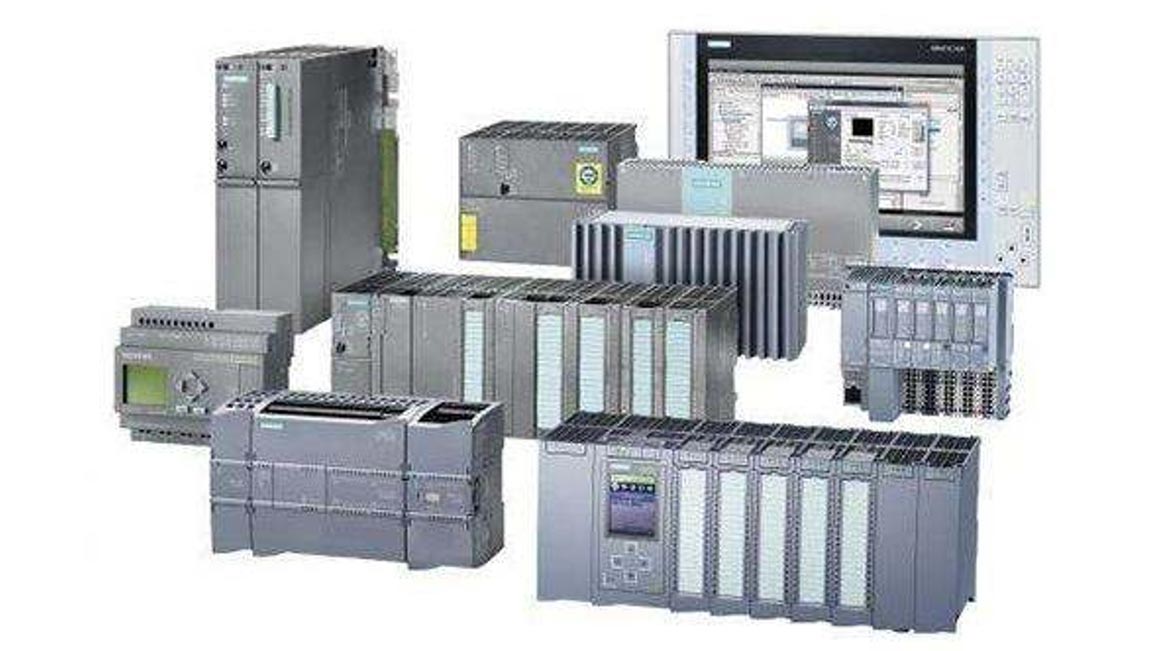
Hệ thống điều khiển Siemens: Tuổi thọ dài, tỷ lệ thất bại thấp và tốc độ phản hồi nhanh.
Sử dụng giao tiếp mạng chuyên dụng, điều khiển dựa trên đám mây, lập kế hoạch và lập trình điểm cố định chuyên dụng để lập kế hoạch đường dẫn, hệ thống hoạt động với hiệu quả cao và bảo tồn năng lượng. hơn nữa, một máy tính trung tâm giám sát các thay đổi thời gian thực trên sàn sản xuất để đưa ra lệnh và chỉ đạo các hoạt động qua đó thực sự hiện thực hóa tầm nhìn của Công nghiệp 4.0 và một nhà máy thông minh không người lái.
Sử dụng pin lithium hoặc axit chì an toàn và thân thiện với môi trường.